Boost Your Health with Practical Swimming Fitness Tips
Updated: Apr 26
Swimming is one of the best full-body workouts you can do. It’s low-impact, easy on your joints, and works almost every muscle group. Whether you’re training for a triathlon, competing in swim meets, or just looking to stay fit, swimming offers a unique way to boost your health. I’ve gathered some practical swimming fitness tips that will help you get the most out of your time in the pool.
Swimming is not just about moving through water; it’s about technique, endurance, and consistency. With the right approach, you can improve your strength, cardiovascular health, and flexibility. Let’s dive into some actionable advice that will make your swimming sessions more effective and enjoyable.
Practical Swimming Fitness Tips to Improve Your Performance
If you want to swim better and feel stronger, start with these practical swimming fitness tips. First, focus on your technique. Good form reduces fatigue and prevents injury. For example, keep your body streamlined and your head in line with your spine. This helps you glide through the water with less resistance.
Next, work on your breathing. Proper breathing rhythm is crucial. Try to breathe every two or three strokes, alternating sides if possible. This keeps your oxygen levels steady and improves your endurance.
Incorporate interval training into your workouts. Swim fast for a set distance, then rest or swim slowly. This builds speed and stamina. For instance, swim 50 meters at a fast pace, then 50 meters easy, and repeat several times.
Don’t forget to warm up and cool down. Start with easy swimming or dynamic stretches to prepare your muscles. After your workout, swim slowly or stretch to help your body recover.
Finally, mix up your strokes. Freestyle is great for speed, but adding backstroke, breaststroke, or butterfly can improve your overall fitness and prevent boredom.

Can I Lose Belly Fat Through Swimming?
One common question is whether swimming can help you lose belly fat. The short answer is yes, but it’s important to understand how fat loss works. Swimming is a great cardiovascular exercise that burns calories and boosts your metabolism. When you burn more calories than you consume, your body starts to use stored fat for energy, including belly fat.
However, spot reduction - losing fat in just one area - is a myth. Swimming will help you reduce overall body fat, which includes your belly. To maximize fat loss, combine swimming with a balanced diet and strength training.
Try longer swim sessions or increase the intensity to burn more calories. For example, swim continuously for 30 to 45 minutes at a moderate pace, or do interval sprints to raise your heart rate. Click here for FREE custom workouts and programs.
Remember, consistency is key. Regular swimming sessions, combined with healthy eating, will gradually reduce belly fat and improve your body composition.
Building Strength and Endurance in the Pool
Swimming is not just about cardio; it’s also a fantastic way to build strength. Water provides natural resistance, so every stroke works your muscles harder than air does. To build strength, focus on controlled, powerful movements.
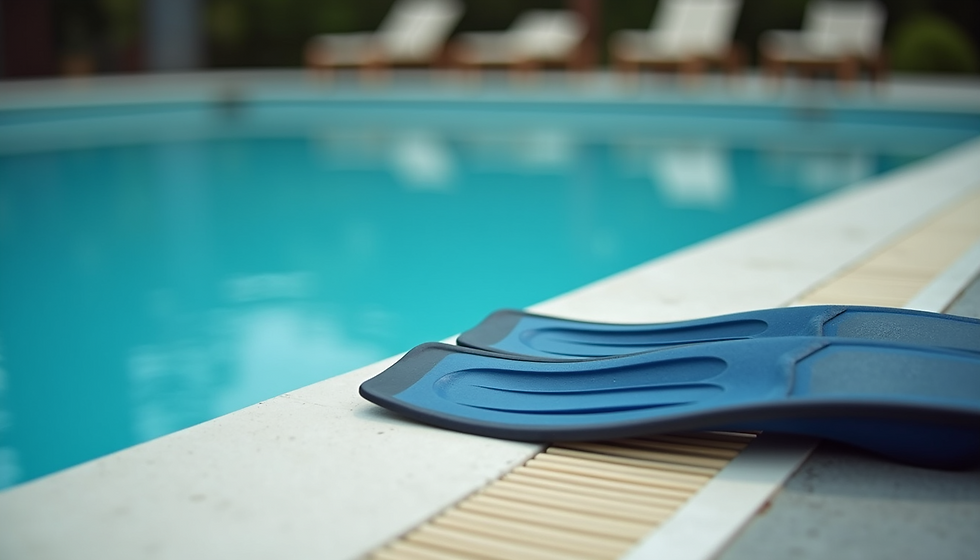
Use swim tools like paddles, pull buoys, and fins to target specific muscle groups. Paddles increase resistance on your hands, making your arms work harder. Pull buoys help isolate your upper body by keeping your legs afloat, while fins boost leg strength and kick speed.
Incorporate drills that emphasize power, such as underwater dolphin kicks or explosive starts off the wall. These exercises engage your core and leg muscles, helping you swim faster and stronger.
Endurance comes from gradually increasing your swim distance and time. Start with manageable distances and add a little more each week. For example, if you swim 500 meters comfortably, try 600 meters next week. Check out our programs to help you go from 1km to 3km.
Tips for Staying Motivated and Consistent
Staying motivated can be tough, especially when progress feels slow. Here are some tips to keep you on track:
Set clear, achievable goals. Whether it’s swimming a certain distance or improving your time, goals give you something to work toward.
Track your progress. Use a swim log or app to record your workouts and improvements.
Join a swim group or find a training partner. Swimming with others can make workouts more fun and hold you accountable.
Mix up your routine. Try different strokes, drills, or swim workouts to keep things interesting.
Reward yourself for milestones. Celebrate when you hit a new personal best or complete a challenging workout.
Remember, every swim session counts. Even on days when you don’t feel like pushing hard, getting in the pool and moving is a win.
Enhancing Recovery and Preventing Injury
Recovery is just as important as training. Swimming is gentle on your joints, but overuse or poor technique can still lead to injury. To stay healthy, listen to your body and take rest days when needed.
After swimming, stretch your shoulders, back, and legs to maintain flexibility. Foam rolling can also help release muscle tightness.
Hydrate well and eat nutritious foods to support muscle repair. If you feel pain or discomfort, address it early with rest or professional advice.
Incorporate cross-training activities like yoga or strength training to balance your muscles and improve overall fitness.
Swimming is a fantastic way to boost your health, and with these practical swimming fitness tips, you can make every swim count. Remember to focus on technique, build strength and endurance, stay motivated, and take care of your body. If you want to explore more expert advice and tailored workouts, check out swimming fitness tips that can help you reach your goals faster.
Dive in, enjoy the water, and watch your health improve stroke by stroke!


Comments